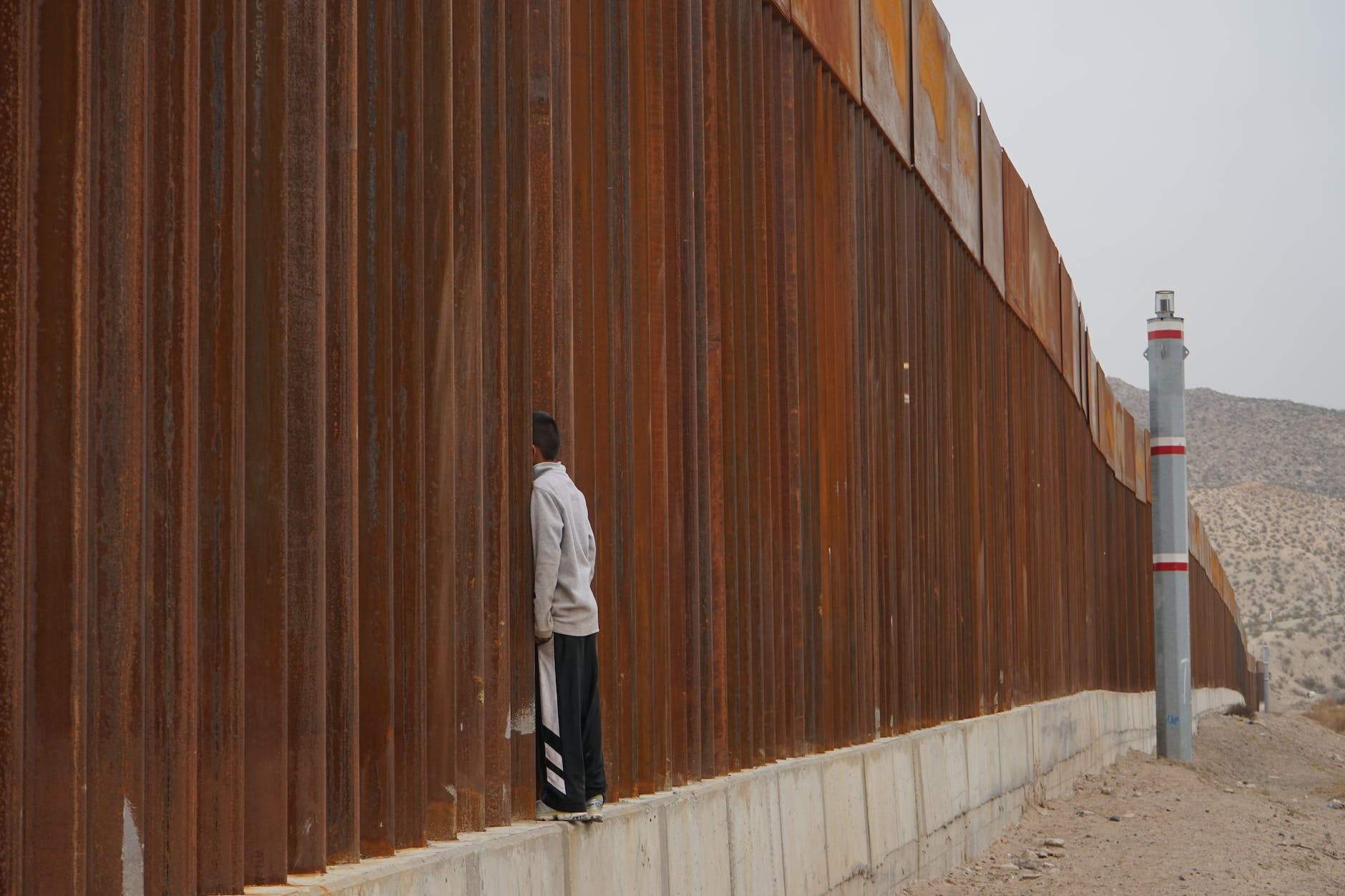
Our southern border has always been problematic.
It’s been difficult to get bipartisan consensus on the number of new arrivals permitted.
But there has been a shared sense that this land will grant political asylum to those fleeing repressive regimes.
We have agreed that Venezuela, Cuba and Nicaragua are repressive regimes in this hemisphere.
The Cuban diaspora dates from the early 60s and there is no doubt the overall positive impact such immigration has had. Miami would not be the metropolis it has become without the Cuban influx.
Venezuela’s diaspora started as former president, Hugo Chavez, who died in 2013, began to
undermine their oil industry through mismanagement. Subsequently the outflow of people increased drastically when his appointed successor, Nicolas Maduro, became a tyrant.
To date, over 7 million Venezuelans, a fourth of its population, have seen no option but leave their country and brave the enormous difficulties of emigrating to neighboring nations, not all of which have been receptive.
In recent months, more and more of those refugees turned north, hoping for asylum here in the US. At first they were able to get through but as the numbers surged, strict limitations were imposed.
President Biden has now in place a parole system, whereby 24 thousand Venezuelans per year will be allowed in so long as they arrive by air and have sponsors here in the US.
The action was determined by the upcoming mid term elections.
Mr Biden made the choice to appeal to the undecided voters who might look with disfavor on the increase in new arrivals.
But lost in the shuffle were the merits of the asylum seekers. These are mostly young people who have faced great hazards in the long journey from Venezuela, crossing the northern part of Colombia, up through the Darien Gap, then Panama and up through the entirety of Central America to finally get to our border. Mostly done on foot. To then be told, ‘No. We will no longer accept you. You have to have a sponsor and money for a plane trip. Goodbye.’
I don’t think democrats are going to get any more votes than they would have because of the refusal to grant asylum to Venezuelans.
Americans who are set against immigration will see the restriction as an electoral maneuver to get their votes, not a move born of conviction.
The choice to sharply limit the asylum offer to Venezuelans is short sighted.
Venezuelans are not the frequent requesters of such assistance. They would rather stay in their country if the conditions for their prospering allowed it. But they are fleeing brutality, imprisonment or starvation.
For those who made the difficulty journey, what is there to do now? Go all the way back? Plead for mercy from one of the impoverished Central American countries they crossed?
Their options look dismal.
Mr Biden, whom I deeply respect, and who has done a wonderful job uniting the West in Ukraine’s battle against Russia, should have stuck with the asylum option. Asylum could have been limited, pending a change in conditions in Venezuela.
We are a land of hope and we need to keep it that way because it is integral to our commitment to freedom. The same commitment that Biden has made to Ukraine and that will eventually lead to a markedly diminished Russia.
The large number of Venezuelans arriving ought to be seen as genuine seekers of relief, able bodied men and women eager to repay with their work for the opportunity granted. Men and women who can also help us fill the gap in labor shortages we face.
There are distinguished Venezuelan born people in our midst who have made important contributions to our nation, such as Leo Rafael Reif, current president of MIT (through the end of this year).
And I read that much private assistance has come forward to aid those who did make it through.
Mr Biden, there is still time. Please change your stance and allow the asylum applications of Venezuelans fleeing their home country and ready to get to work to build a better life.
 Oscar Valdes